Potential bankruptcy filers sometimes ask whether they really have to produce their income taxes and pay stubs when they file, isn’t this ‘nosey’ of the bankruptcy court?
After a voluntary bankruptcy petition is filed and before the creditors meeting, the person filing must disclose income. The law requires submission of all pay stubs or what the bankruptcy code calls “payment advices” received within 60 days before the date of filing. This requirement applies to all income from employment or self-employment.
Trustee Must Get Copies
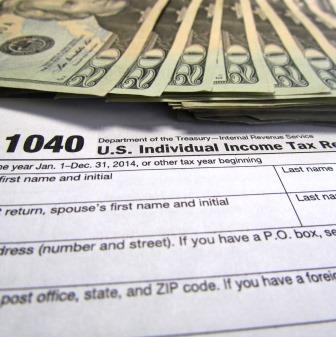
The mandate is spelled out in section 521(a)(1)(B)(iv) of the Bankruptcy Code. Under a different subsection, each bankruptcy filer must also submit to the trustee, 7 days before the creditors meeting, a copy of the Federal income tax return required to have been filed for the most recent tax year ending immediately before commencement of the case. This is section 521 (e)(2)(A)(i).
These requirements apply to every U.S. bankruptcy filing under the U.S. Bankruptcy Code. However, the actual mechanics of compliance with these mandates are often specified in local bankruptcy rules applicable to U.S. Bankruptcy Courts in each district. Some trustees accept these materials by fax, while others still like to get the papers in the mail. There are also electronic upload platforms many trustees encourage attorneys to use in submitting materials.
If you have not filed taxes in each of the last 4 years, consult an experienced bankruptcy attorney to discuss potential issues.
Requirement to Disclose Income in Bankruptcy – Nosey?
Whether it’s ‘nosey’ of the bankruptcy court is a separate question. The goal of most consumer bankruptcy filings is to get a discharge of all or most debt. This is considered an extraordinary remedy, rooted in Article I of the U.S. Constitution and unavailable in many countries. So, the law imposes conditions including the requirement to fully disclose income in bankruptcy.
In addition to submitting pay advices, debtors must include all income received in the 6 calendar months before the date of filing in calculating the means test. Schedule I requires that debtors truthfully indicate anticipated income after the date of filing. To disclose income in bankruptcy fully and completely, the Statement of Financial Affairs also requires those filing to disclose all gross income in the last 2 calendar years before filing, and year-to-date income in the present year.
More bankruptcy topics on this page.
Visits: 323